Waterproofing and drainage work you can request
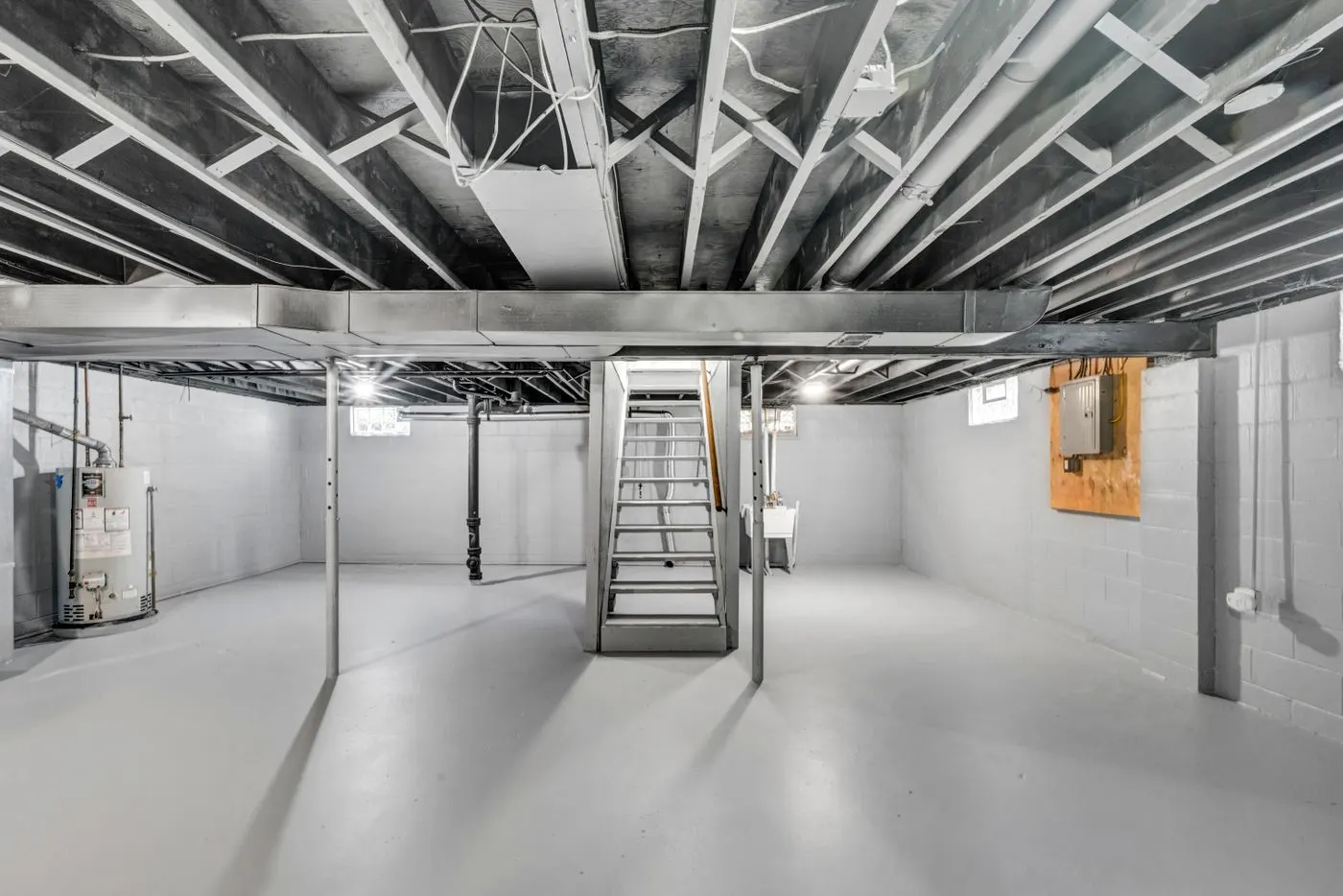
Basement waterproofing
Diagnosis and a fix for basements that leak, seep or stay damp.
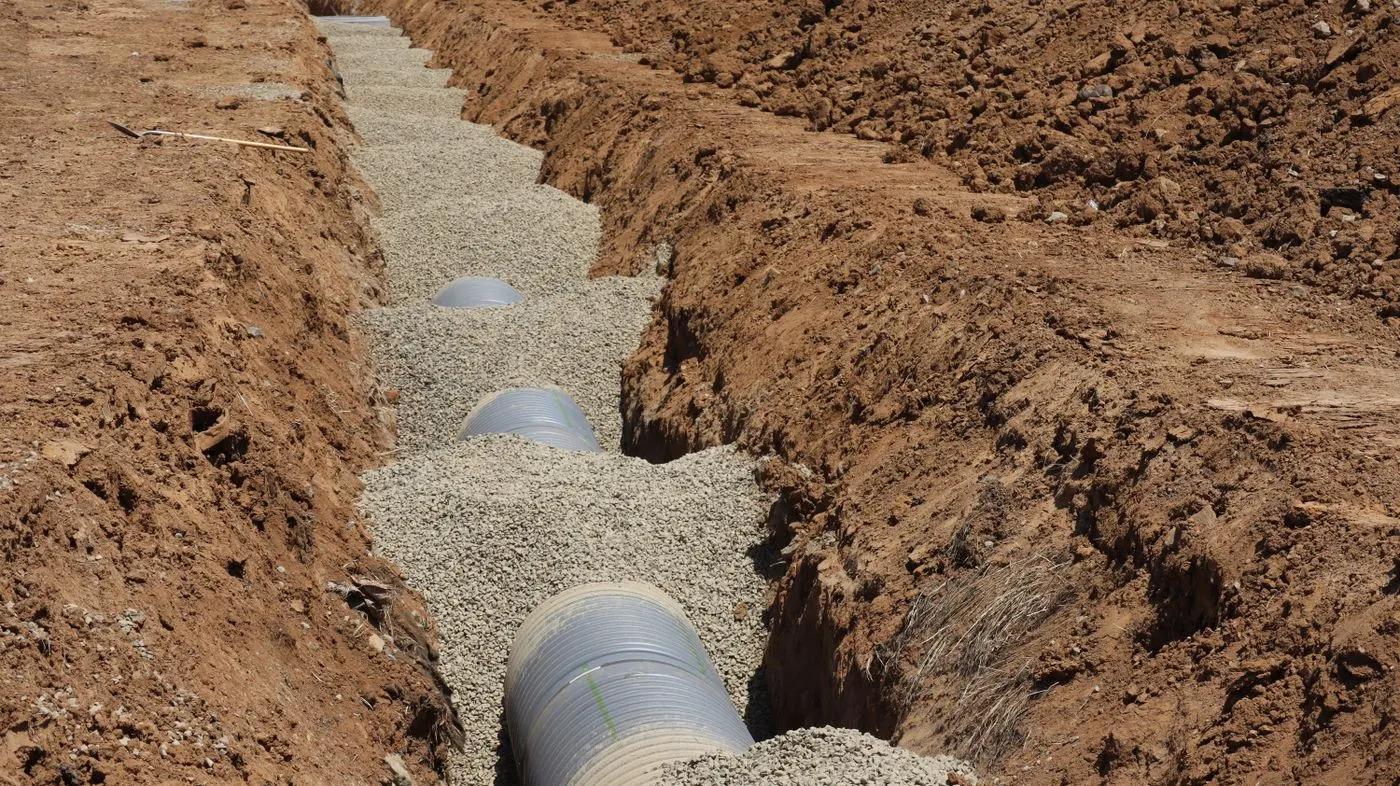
Interior drainage and French drains
Perimeter drain channels under the basement floor that feed a sump pump.
Sump pump installation
New pumps, replacements and battery backups for wet basements.
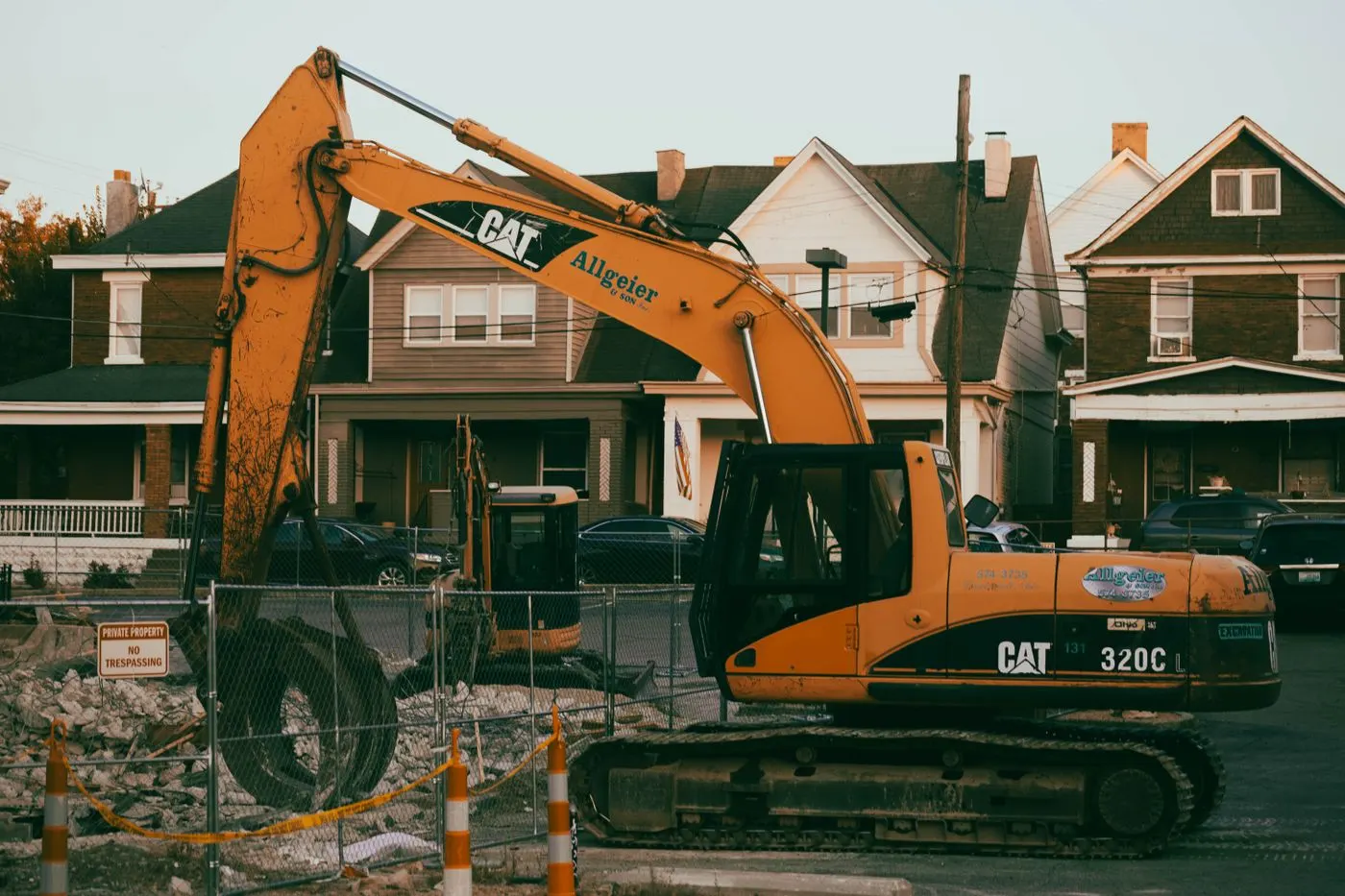
Exterior foundation waterproofing
Excavation, membranes and footing drains that keep water off the wall.
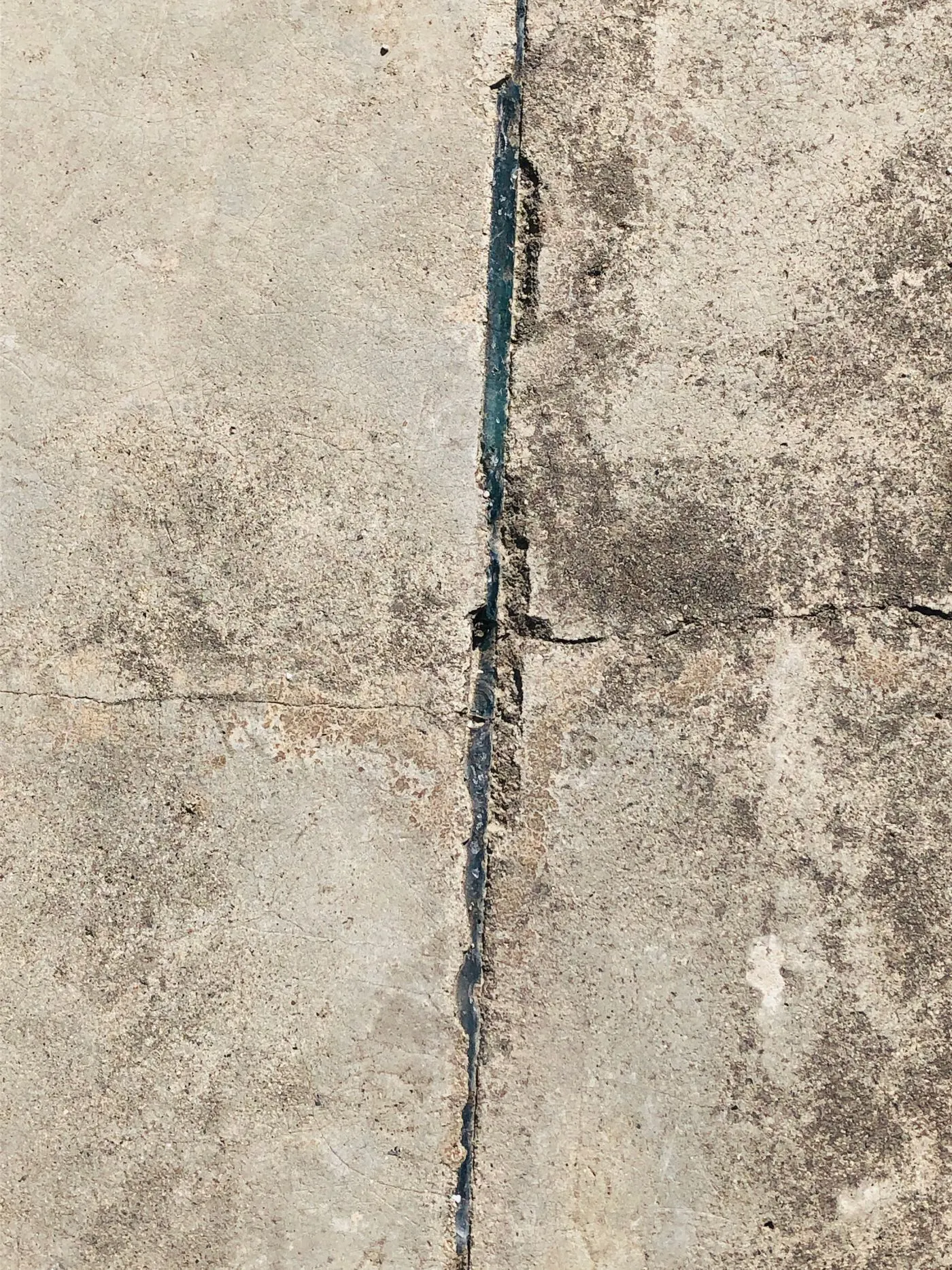
Foundation crack repair
Injection and sealing for leaking cracks in poured concrete walls.
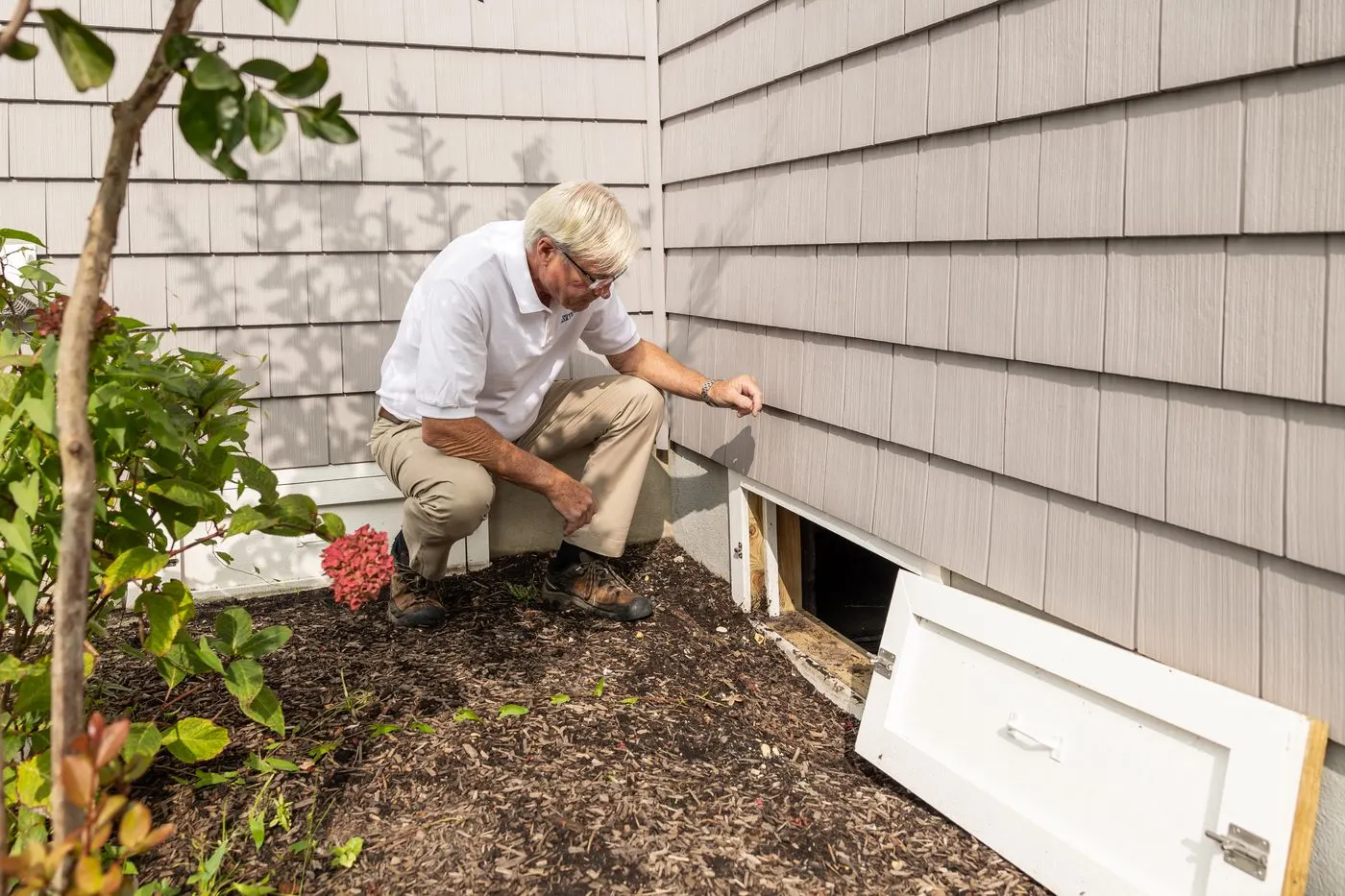
Crawl space encapsulation
Sealing damp crawl spaces with vapor barriers, drainage and dehumidifiers.
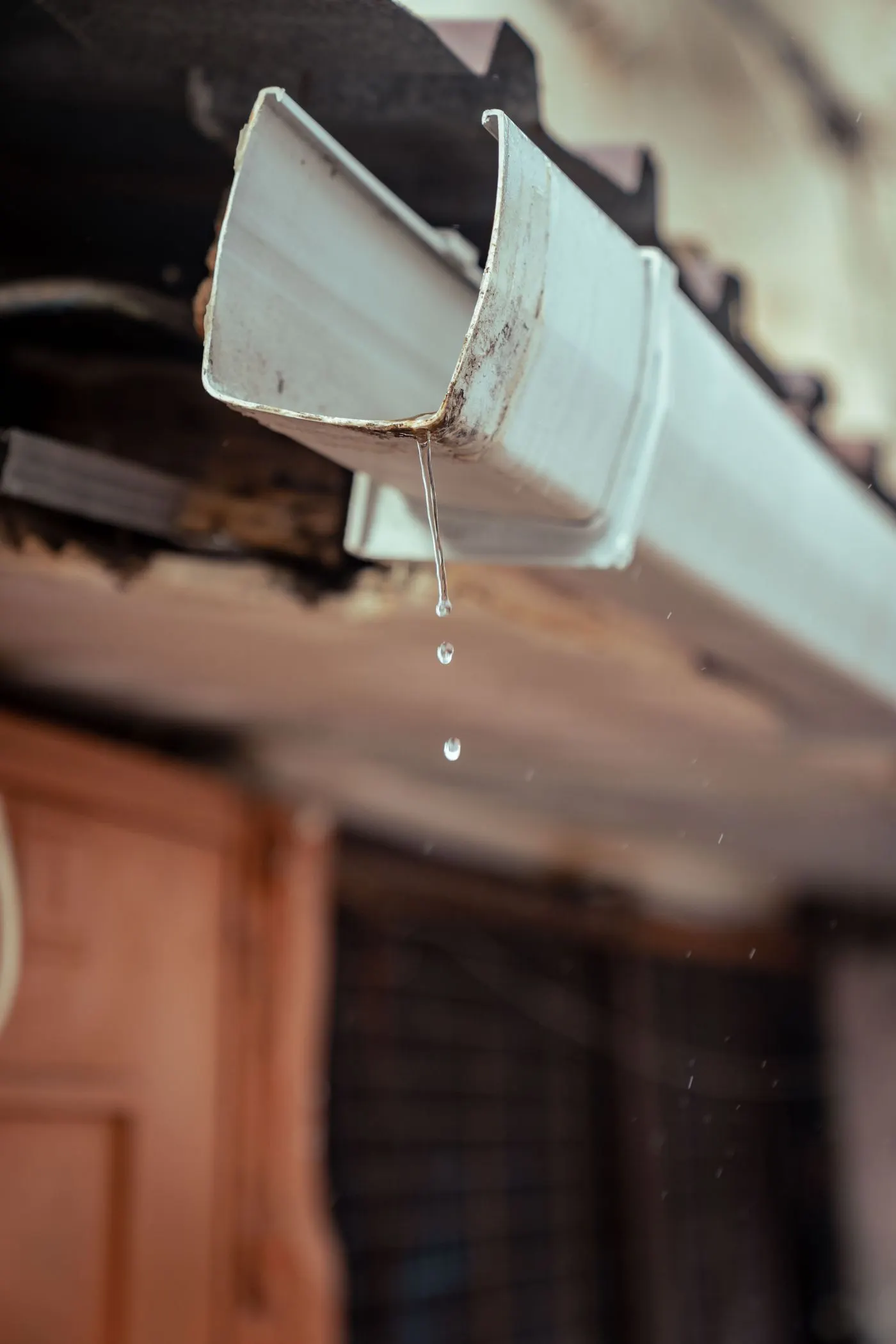
Grading, gutters and window wells
Outside fixes that keep rain and runoff away from the foundation.
Scarsdale is an inland village in the Bronx River Valley, and three rivers touch it: the Bronx, the Sheldrake and the Hutchinson. The Mamaroneck River forms part of the border with White Plains. When the ground around those rivers fills up with water in a long spring rain or a tropical storm, the water table rises and pushes against basement walls and floors. That pressure, called hydrostatic pressure, is the main reason basements here take on water.
The village knows this well. After Hurricane Ida in 2021, Scarsdale studied flooding around Fox Meadow Road, Brite Avenue and Chesterfield Road, where engineers found the existing storm drains were too small. Homes near the upper Sheldrake River, around Catherine, Wheelock and Canterbury Roads, were built in a FEMA flood plain. No basement system can stop a river from overtopping its banks, but a good one can handle the steady groundwater and runoff that most homes deal with every wet season.
Waterproofing is not one product. It can mean sealing a single crack, regrading the yard so rain runs away from the house, adding a sump pump, cutting an interior drain channel around the basement floor, or digging down outside to coat the foundation wall. A good contractor starts by finding where the water enters and why, then recommends the smallest fix that will solve it.
When you send a request, we pass it to a local waterproofing contractor who works in Scarsdale and nearby towns. They inspect the basement, explain what they find and give you a written price. Sending a request is free, and the choice to hire is yours.
How to judge a waterproofing proposal
A proposal should say where water enters, such as the wall to floor joint, a crack, a window well or the floor itself, and why.
Gutters, downspouts and grading are cheap compared with drains and excavation. A fair contractor checks them first.
Any drain or sump system has to discharge somewhere legal and away from the house. Ask where.
Waterproofing warranties vary widely. Get the terms, what is excluded and whether they transfer to a buyer in writing.
Westchester County requires a home improvement license from the Department of Consumer Protection. Ask for the number.
How it works
- Describe the problemUse the estimate form. Tell us your town, when the water shows up, where you see it and if you have a sump pump.
- We pass it onYour request goes to a local waterproofing contractor who works in your area.
- InspectionThe contractor contacts you, looks at the basement and the outside of the house, and explains what they find.
- Your decisionYou get a written proposal and price. Compare it, ask questions and decide. No obligation.
Condensation or seepage
Not every damp basement has a leak. In humid summer weather, warm air hits cool concrete and water condenses on it, especially on the lower walls and floor. A simple test: tape a square of aluminum foil tightly to the damp wall and leave it for a day or two. Moisture on the room side of the foil points to condensation, which a dehumidifier can handle. Moisture under the foil means water is coming through the wall.
Where water usually gets in
The most common entry point is the cove joint, where the basement floor meets the wall. Poured concrete walls and floors are cast separately, so that seam is a natural weak spot when groundwater rises. Other entry points are cracks in poured walls, mortar joints in block or stone walls, gaps around pipes that pass through the foundation, window wells that fill with water, and the floor slab itself.
White, chalky deposits on walls, called efflorescence, are a sign that water has been moving through the masonry and leaving minerals behind as it dries. Rust on the bottom of metal shelving, a musty smell and peeling paint at the base of walls are other clues.
Interior versus exterior fixes
Interior systems manage water after it reaches the foundation. A drain channel is cut into the floor along the walls, gravel and perforated pipe are laid in, and the water flows to a sump pump. This is usually less expensive and less disruptive. Exterior waterproofing stops water before it reaches the wall by excavating down to the footing, applying a membrane and adding a footing drain. It costs more but keeps the wall itself dry. Many homes need only one approach, and some need a mix.
Permits and discharge
Many villages and towns require permits for excavation, new drainage connections or electrical work for a sump pump, and your contractor should handle them. Many municipalities also do not allow sump pumps to drain into the sanitary sewer. Ask the contractor where the discharge line will run and whether it meets local rules.
What basement waterproofing typically costs
Published national ranges, not quotes. Westchester labor rates usually push prices toward the upper end.
| Job | Typical range |
|---|---|
| Basement waterproofing, most projects | about $3,000 to $10,000 |
| Interior perimeter drain, per linear foot | about $40 to $120 |
| Sump pump installation | about $800 to $2,000 |
| Epoxy crack injection, per crack | about $250 to $1,000 |
| Exterior French drain, per linear foot | about $10 to $100 |
| Soil regrading | about $500 to $3,000 |
| Crawl space encapsulation | about $1,500 to $15,000 |
These are rounded national ranges from the listed sources, not quotes. Your price depends on the source of the water, the length of wall involved, access, soil and rock, permits and the contractor.
Sources: Fixr, basement waterproofing; Fixr, French drain; Fixr, sump pump; Bob Vila, crawl space encapsulation
Towns we take waterproofing requests from
Requests come from Scarsdale and towns within about 15 miles across southern and central Westchester.
Questions homeowners ask
How much does basement waterproofing cost in Scarsdale?
Fixr puts most basement waterproofing projects at about $3,000 to $10,000 nationally, with an average near $5,000. A single crack repair costs far less, and full exterior excavation costs more. Westchester labor rates tend to be higher than average.
Why does my basement only leak in heavy rain?
Heavy or long rain saturates the soil and raises the water table, which pushes water through the weakest points in the foundation. Overflowing gutters and short downspouts dump even more water right at the wall. Fixing roof drainage is often the first step.
Is interior or exterior waterproofing better?
Exterior waterproofing keeps water off the wall itself but requires excavation and costs more. Interior drainage manages water that gets in and sends it to a sump pump, usually at lower cost. The right choice depends on your foundation, lot and budget.
Can I just paint the walls with waterproof paint?
Waterproofing paints can help with minor dampness and condensation on sound walls. They do not hold back water under real pressure, and they will peel if water keeps coming through. Find the source first.
Who will inspect my basement?
A local basement waterproofing contractor who serves Scarsdale and nearby towns. They contact you, inspect the basement and give you their own written price.
Does homeowners insurance pay for waterproofing?
Usually not. Waterproofing is generally treated as maintenance or an improvement. Some policies cover sudden water damage, but not the cost to prevent future leaks. Check with your insurer.
Do I need a permit?
Often for excavation, new drain connections or electrical work. Requirements differ by village and town, and your contractor should pull any permit needed.